
How to Choose Your First Snooker Cue: A Beginner's Complete Guide
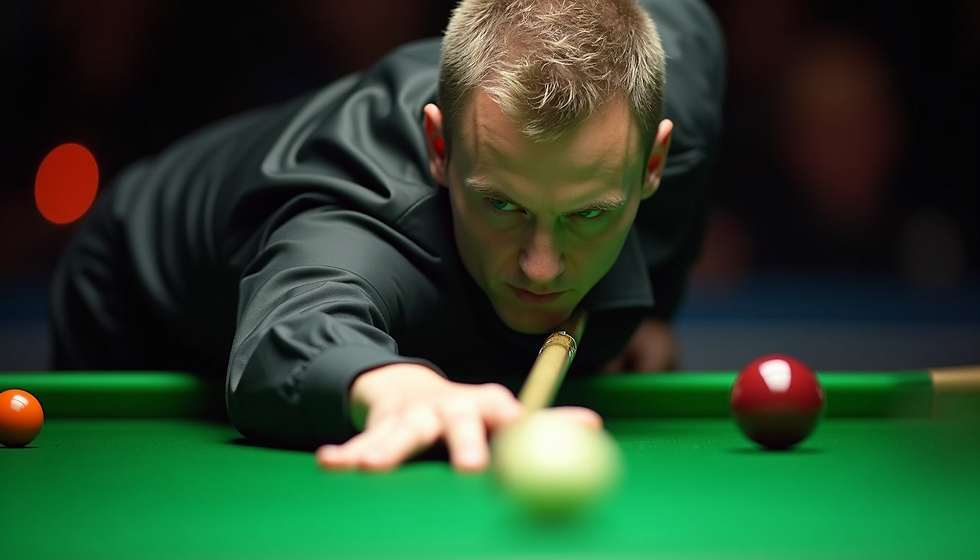
Buying your first snooker cue is one of the most important decisions you'll make as a new player. Walk into any sports shop or browse online and you'll quickly find yourself overwhelmed by choices — ash or maple, one-piece or two-piece, 57 inches or 58 inches, tip size, weight, splice pattern.
This guide cuts through the noise. We'll explain exactly what matters for a beginner, what you can safely ignore for now, and which cues represent the best value in 2026.
Do You Even Need to Buy a Cue?
Before spending any money, it's worth being honest: if you're playing casually a few times a year, the club cues at your local snooker venue will do just fine. They're maintained, chalked, and designed to suit all playing styles.
You should consider buying your own cue when:
You're playing regularly (once a week or more)
You're joining a club league
You notice inconsistencies in club cues affecting your game
You simply want the experience of playing with your own equipment
A personal cue lets you develop a consistent feel, which is fundamental to improving your technique.
Key Things to Consider When Buying a Snooker Cue
1. One-Piece vs Two-Piece
One-piece cues are the traditional choice. They have no joint, which means a pure, uninterrupted flex along the full length. Many serious players prefer one-piece cues for this reason. The downside: they're difficult to transport. You'll need a full-length cue case (around 5 feet) to carry one safely.
Two-piece cues screw together at the midpoint. They're far more portable and fit in a compact half-size case. For most beginners, a quality two-piece cue is the practical choice. Modern two-piece cues from reputable brands have joints that are virtually undetectable in play.
Verdict for beginners: Start with a two-piece for practicality. You won't notice the joint.
2. Material: Ash vs Maple
Ash is the traditional choice for snooker cues and the preference of most professional and serious amateur players. Ash has a natural flex and a pronounced grain that many players use to align their cue during aiming. It's slightly softer than maple, which gives a distinctive feel on contact.
Maple is more common in pool cues but does appear in some snooker cues. It's denser and harder, with less visible grain. Some players prefer the firmer feel.
Verdict for beginners: Choose ash. It's the standard for a reason, and learning to play with an ash cue gives you the most transferable experience.
3. Cue Weight
Standard snooker cues typically weigh between 16oz and 19oz. Most professionals play with cues around 17–18oz.
Lighter cues (16–17oz): Easier to control for beginners; feel less tiring over long sessions
Mid-range (17.5–18oz): The sweet spot for most players
Heavier (18–19oz): More power on long pots, but harder to control for beginners
Verdict for beginners: Aim for 17–18oz. It's the standard professional range for a reason.
4. Cue Length
Standard cues are 57–58 inches long. This suits the vast majority of players. If you're particularly tall or have long arms, a 59-inch cue might suit you. Children and shorter players may prefer a shorter cue (48–52 inches).
Most beginner cues come in standard 57-inch length, which is fine for almost everyone.
5. Tip Size and Type
The tip is one of the most important parts of the cue — it's the only part that actually touches the ball. Snooker cue tips are narrower than pool tips, typically 9mm–10mm in diameter.
Tip hardness:
Soft tips – More grip on the cue ball, easier to apply spin, but wear faster
Medium tips – The most popular choice; a good balance of grip and durability
Hard tips – Less spin, but very durable; sometimes preferred for power shots
For beginners, a medium tip is the right starting point. As your game develops you'll find your preference.
6. Budget
Here's an honest breakdown of what your money gets you:
Budget | What to Expect |
Under £30 | Entry-level, basic construction; fine for occasional play |
£30–£80 | Decent ash shaft, reliable tip; good for regular beginners |
£80–£150 | Proper hand-selected ash, better joints, quality tips; this is the sweet spot |
£150–£300 | Club/league player quality; noticeably better feel and consistency |
£300+ | Advanced/semi-professional; you'll know when you need this |
For most beginners, spending £50–£100 gets you a cue that won't hold your game back and will last for years with basic maintenance.
Our Top Beginner Cue Picks for 2026
Best Budget Pick: Powerglide Original (£35–£50)
A classic. Straight ash shaft, standard tip, reliable joint on the two-piece version. Does everything a beginner needs. Available widely online and in sports retailers.
Best Mid-Range Pick: BCE Heritage Two-Piece (£70–£90)
BCE's Heritage range offers noticeably better wood selection and a cleaner joint than budget options. A great step up without breaking the bank.
Best Value Upgrade: Peradon Cue (£120–£180)
When you're ready to invest a bit more, Peradon's production cues offer genuine quality improvements. You'll feel the difference in how the cue responds.
Maintaining Your Cue
Once you've bought your cue, a little care goes a long way:
Store it upright or in a case – Never leave a cue lying flat across a table long-term as it can develop a bow.
Keep it clean – Wipe the shaft periodically with a slightly damp cloth to remove chalk residue, then dry it immediately.
Re-tip when needed – A worn tip causes miscues and affects your game noticeably. Most club players or cue repair shops can replace a tip cheaply.
Don't over-chalk – Apply chalk lightly and consistently before each shot rather than heavily and infrequently.
Frequently Asked Questions
What size snooker cue should a beginner buy?Standard 57 inches, 17–18oz, with a 9.5mm medium tip. This covers the vast majority of adult beginners perfectly.
Is a two-piece cue as good as a one-piece?For beginners and intermediate players, yes. The quality difference from the joint is negligible until you're playing at a very high level.
How long should a snooker cue last?A well-maintained cue can last decades. The shaft doesn't degrade significantly over time as long as it's stored properly and the tip is replaced as needed.
Ready to Start Playing?
Choosing your first snooker cue doesn't need to be complicated. For most beginners, a two-piece ash cue in the £50–£100 range from a reputable brand like Powerglide, BCE, or Riley is everything you need to get started and improve.
Browse our equipment guides on Snooker247 for more buying advice, or check our global snooker club directory to find a venue near you where you can try different cues before committing to a purchase.

Comments